Formulation
What goes in, and at what dose
An ingredient is only useful at a dose that does something. These are the concentrations we actually use.
Niacinamide
The most versatile active in dermatology
Used at 10%
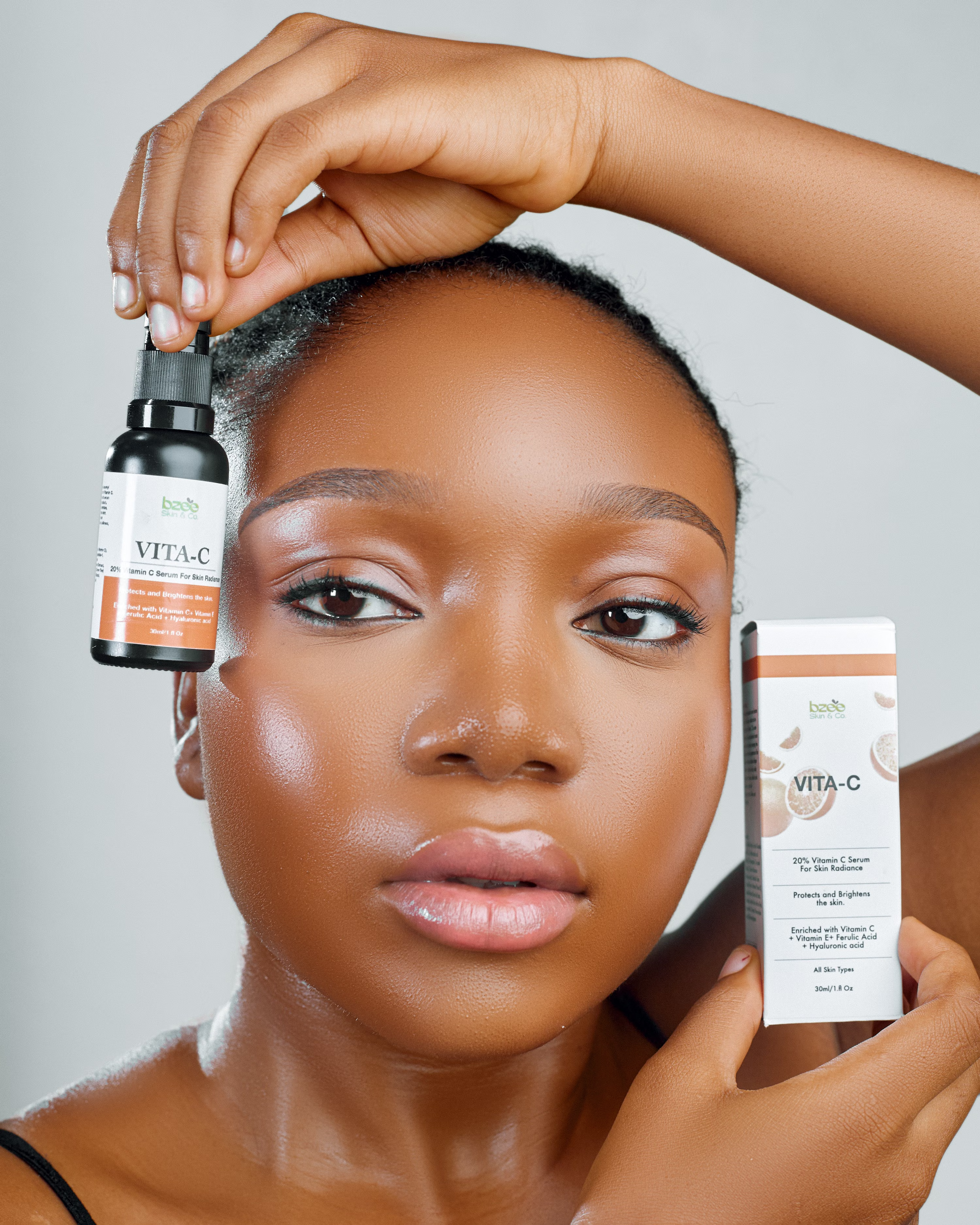
Vitamin C
Antioxidant brightening with real evidence
Used at 10–20%
Retinal
Faster than retinol, gentler than tretinoin
Used at 0.05–0.1%
Hyaluronic Acid
Holds up to 1,000× its weight in water
Used at Multi-molecular, 0.1–2%
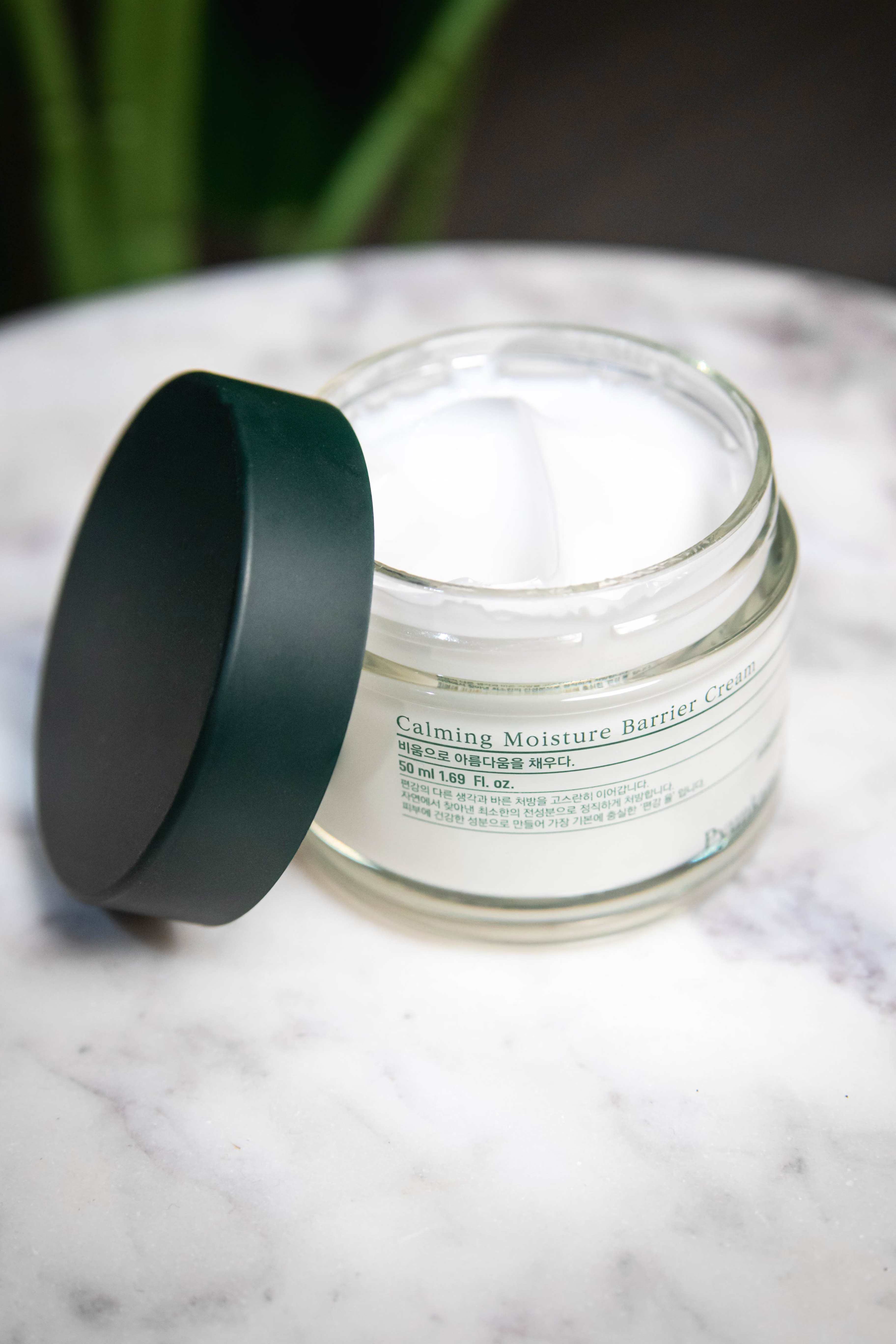
Ceramides
The mortar between skin barrier bricks
Used at Ceramide-dominant blend
Squalane
A skin-identical emollient that will not oxidise
Used at 2–100%
Azelaic Acid
Rarely irritating, unusually versatile
Used at 10%
Peptides
Messenger molecules that signal collagen production
Used at Blend, typically 1–5%
Centella Asiatica
The quiet workhorse for reactive skin
Used at 1–5% extract
Bakuchiol
The plant-derived retinoid alternative
Used at 0.5–2%
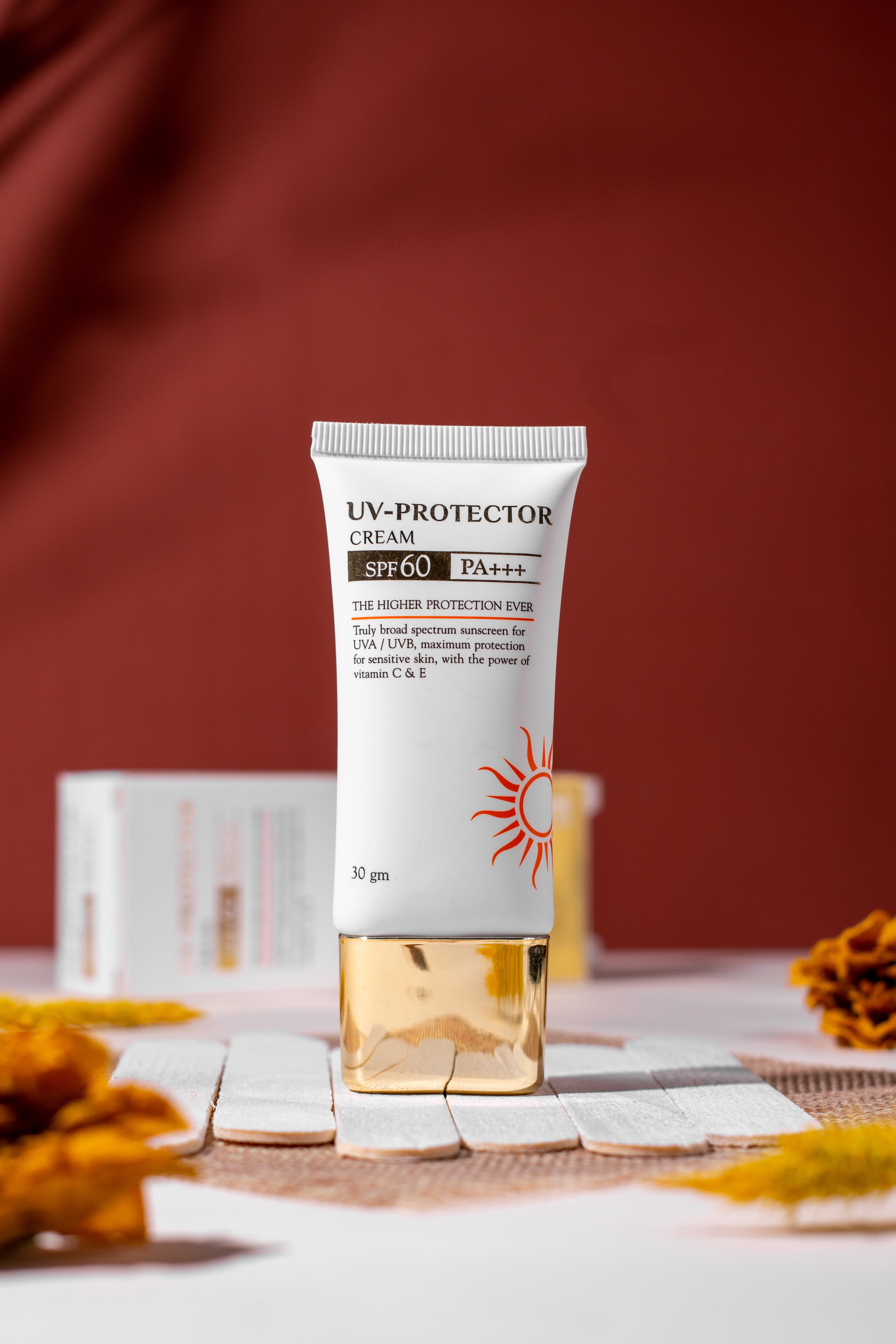
Zinc Oxide
Broadest mineral coverage, best tolerance
Used at 12–25% for SPF, 1% for regulation
Green Tea
Antioxidant with evidence for oil reduction
Used at 0.5–2% extract
Panthenol
The humectant that also heals
Used at 1–5%
Colloidal Oatmeal
Recognised treatment for itch and irritation
Used at 0.3–5%
Olive Squalene
Skin-native, but prone to oxidation
Used at Naturally dominant in the olive fruit
Retinol
The original retinoid, and the most stable
Used at 0.1–0.6% for cosmetic use
Salicylic Acid
The oil-soluble exfoliant that works inside the pore
Used at 0.5–2% for leave-on, 2% in cleansers
Lactic Acid
The gentlest AHA, and the only one that hydrates
Used at 5–10%
Ferulic Acid
The stabiliser that makes vitamin C last
Used at 0.5–1%
Vitamin E
The lipid antioxidant that protects what SPF cannot
Used at 0.5–5%
Zinc PCA
A non-drying way to regulate oil
Used at 0.5–1%
Madecassoside
The purified anti-inflammatory in centella
Used at 0.1–1%
Beta Glucan
A gentle, deeply hydrating polysaccharide
Used at 0.1–1%
Glycerin
The humectant in almost every good formula
Used at 2–10%
Cholesterol
The third brick in the barrier matrix
Used at Barrier-matrix ratio
Caffeine
The most reliable topical for puffiness
Used at 2–8% topical
Kaolin
The gentle, cosmetic clays
Used at 1–10%
Bentonite
The strongly drawing clay
Used at 1–10%
Rosehip Seed Oil
Linoleic-rich, with trace retinoid activity
Used at 5–30% in a blend
Marula Oil
High in oleic acid and remarkably stable
Used at 5–20% in a blend
Evening Primrose Oil
Gamma-linolenic acid for reactive skin
Used at 2–10% in a blend
Sunflower Seed Oil
High-linoleic, low-oleic, barrier-friendly
Used at 5–40%
Titanium Dioxide
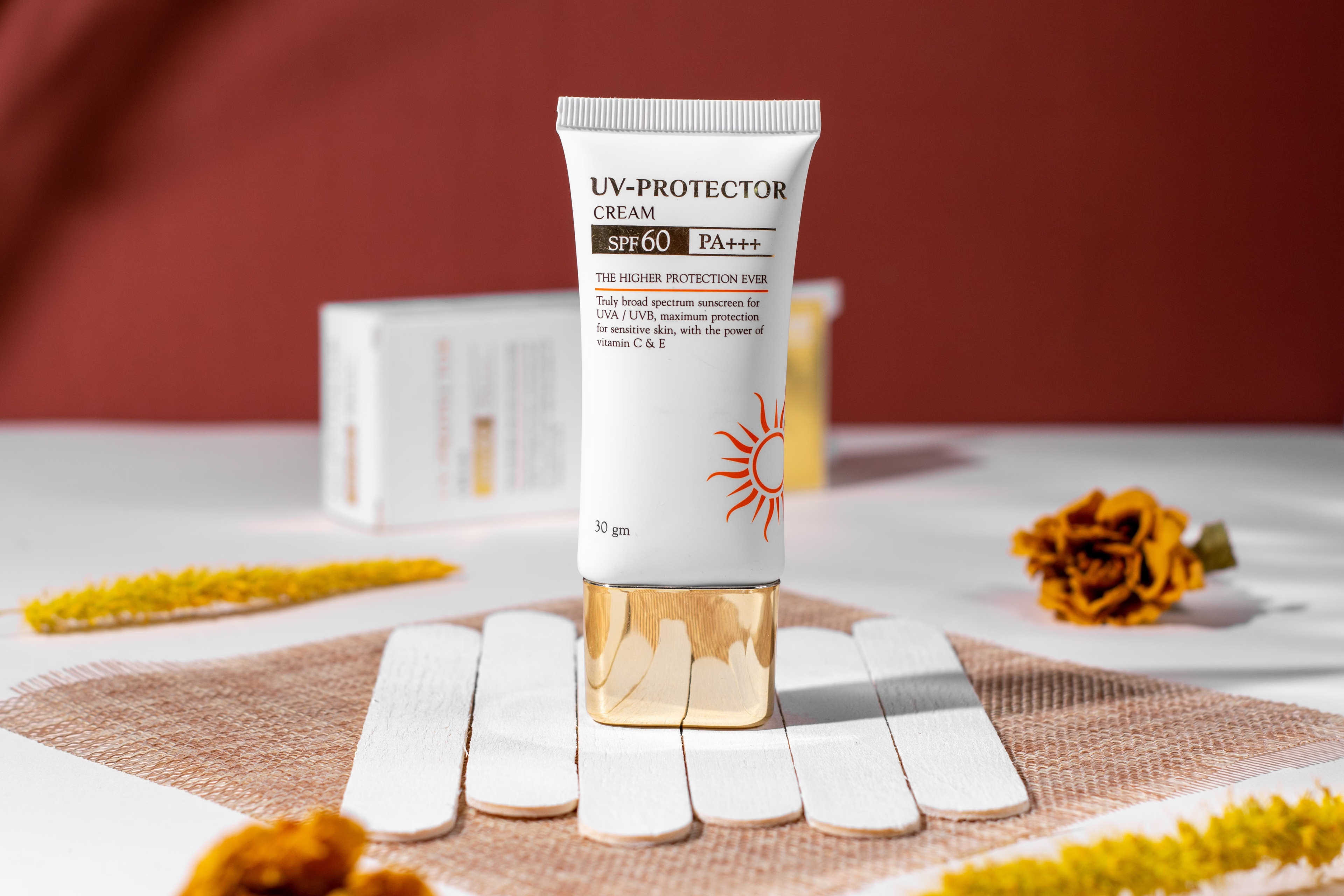
Gentle on reactive skin, but always white
Used at 2–10% in sunscreens